
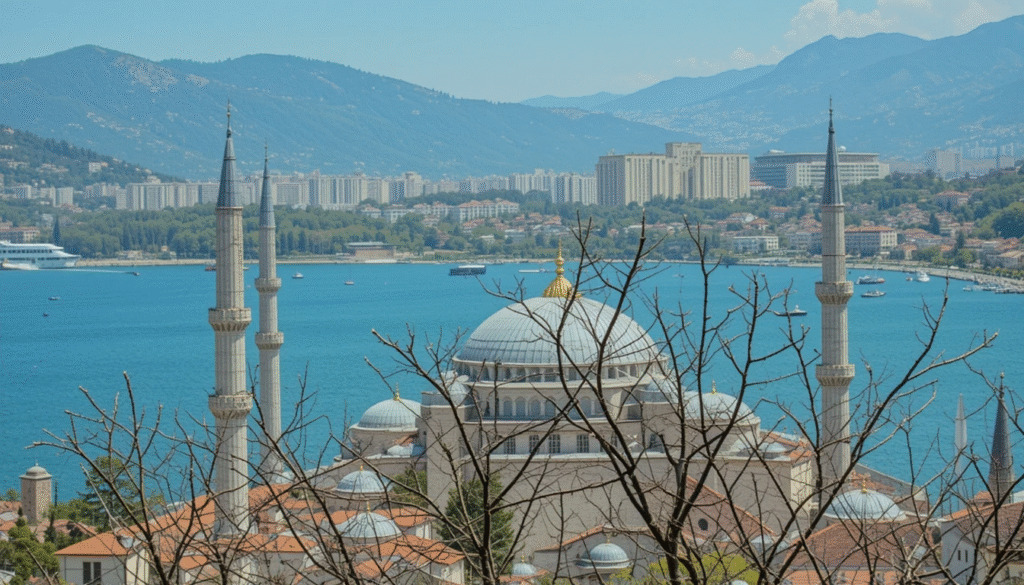
Your complete guide to experiencing authentic Turkish culture beyond the tourist trail
Türkiye stands at the crossroads of Europe and Asia, where ancient traditions blend seamlessly with modern life. While it’s easy to visit the major attractions, true cultural immersion requires understanding the subtle rhythms of daily life, the warmth of Turkish hospitality, and the rich tapestry of customs that have evolved over millennia. Here’s your essential guide to experiencing authentic Turkish culture in 2025.
Understanding Turkish Hospitality: Misafirperverlik
The cornerstone of Turkish culture is hospitality, known as “misafirperverlik.” This goes far beyond simple politeness – it’s a deeply ingrained cultural value that considers guests as gifts from God. When invited into a Turkish home, you’re not just a visitor; you become part of the family for that moment.
What to Expect:
- Multiple offerings of tea (çay) throughout your visit
- Insistence on sharing meals, even if you arrive unexpectedly
- Genuine interest in your background, family, and country
- Reluctance to let you leave without taking something as a gift
How to Respond:
- Accept at least one glass of tea – refusing can be seen as rejecting the host’s kindness
- Bring small gifts from your home country (postcards, local sweets, or souvenirs)
- Show genuine interest in your host’s life and family
- Don’t rush conversations – Turks value taking time to connect
The Art of Turkish Communication
Turkish communication style is nuanced and relationship-focused. Understanding these patterns will dramatically enhance your cultural interactions.
Key Principles:
- Direct “no” is often softened with phrases like “difficult” or “we’ll see”
- Personal questions about family, work, and life are signs of genuine interest, not intrusion
- Animated discussions don’t necessarily indicate conflict – passion in conversation is valued
- Silence during conversations is comfortable and doesn’t need to be filled
Language Essentials Beyond Basic Phrases:
- “Kolay gelsin” (may it come easy) – said to people working, showing respect for their effort
- “Afiyet olsun” (may it be good for your health) – said before or after meals
- “Geçmiş olsun” (may it be in the past) – expression of sympathy for any difficulty
- “Maşallah” – expression of appreciation that also protects against the evil eye
Navigating Religious and Cultural Sensitivities
Türkiye is a secular country with a predominantly Muslim population. Understanding religious customs helps you show respect and avoid unintentional offense.
Mosque Etiquette:
- Remove shoes before entering prayer areas
- Women should cover hair, arms, and legs; scarves are often provided
- Avoid visiting during prayer times (five times daily)
- Speak quietly and don’t point cameras at people praying
- Friday prayers are particularly important – plan mosque visits accordingly
Daily Religious Observances:
- During Ramadan, be discreet about eating and drinking in public during daylight hours
- Many businesses may have adjusted hours during religious holidays
- The call to prayer (ezan) occurs five times daily – it’s part of the cultural soundtrack
- Respect for elders and religious figures is paramount
The Social Fabric: Understanding Turkish Family Dynamics
Family remains the cornerstone of Turkish society, influencing everything from business decisions to social interactions.
Traditional Values in Modern Context:
- Extended families often live close together and make collective decisions
- Respect for elders (yaşlılara saygı) influences social hierarchies
- Children are central to family life and are welcomed everywhere
- Marriage and family questions are common conversation topics with new acquaintances
Social Interactions:
- Turkish people often gather in large groups for meals and celebrations
- Weekend family visits are sacred time – businesses may close early on Fridays
- Sharing food is a fundamental expression of care and friendship
- Age and social position influence seating arrangements and speaking order
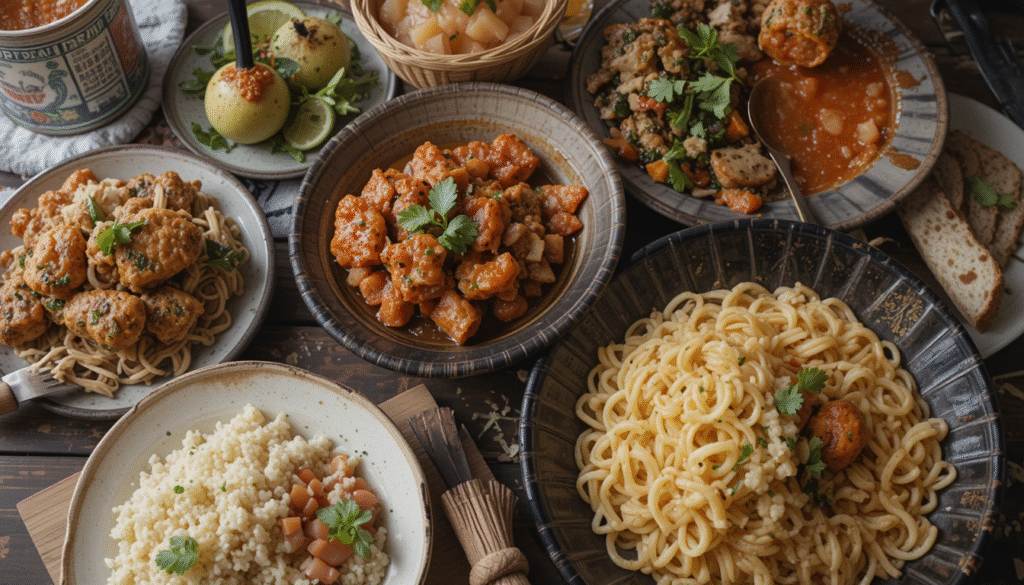
Culinary Culture: Beyond the Menu
Turkish food culture extends far beyond the dishes themselves – it’s about community, timing, and ritual.
Meal Traditions:
- Breakfast (kahvaltı) is elaborate and leisurely, especially on weekends
- Lunch is often light, while dinner is the main social meal
- Tea breaks punctuate the day – refusing tea can interrupt social flow
- Bread is sacred and should never be thrown away or placed upside down
Dining Etiquette:
- Wait for the eldest or most honored guest to begin eating
- Keep hands visible on the table during meals
- Compliment the cook enthusiastically – food preparation is taken seriously
- Expect multiple courses and don’t fill up on the first dishes
Street Food Culture:
- Vendors take pride in their specialties – show interest in their craft
- Sharing street food with friends is more cultural than eating alone
- Morning börek vendors serve as neighborhood social hubs
- Late-night food culture thrives – cities come alive after sunset
Shopping and Bargaining: The Social Art of Commerce
Turkish markets and bazaars operate on relationship-building principles that make shopping a cultural exchange.
Bazaar Etiquette:
- Bargaining is expected and is part of the social interaction
- Start conversations before discussing prices
- Accept tea during negotiations – it shows you’re serious about engaging
- Don’t bargain if you’re not genuinely interested in purchasing
- Walking away is part of the process, not rudeness
Building Relationships with Vendors:
- Return to the same shops to build ongoing relationships
- Ask vendors about their families and background
- Show appreciation for craftsmanship and quality
- Recommend their shops to other travelers
Regional Cultural Variations
Türkiye’s diverse geography has created distinct regional cultures worth understanding.
Aegean Coast: More liberal and European-influenced, with emphasis on seafood culture and relaxed social norms
Black Sea Region: Strong tea culture, more traditional gender roles, and distinctive Laz and Georgian influences
Eastern Anatolia: Conservative values, strong tribal/family connections, and Kurdish cultural influences
Central Anatolia: Religious conservatism balanced with business pragmatism, strong Sufi traditions
Mediterranean Coast: Tourist-influenced but maintaining strong family traditions, mix of conservative and liberal attitudes
Participating in Cultural Events and Festivals
Traditional Celebrations:
- Newroz (spring celebration) – particularly significant in Kurdish regions
- Religious holidays (Ramadan, Kurban Bayramı) – family-centered with specific customs
- Wedding celebrations – elaborate affairs that can last several days
- Circumcision ceremonies – important coming-of-age celebrations
Modern Cultural Events:
- Film festivals in Istanbul and Antalya
- Music festivals blending traditional and contemporary styles
- Art exhibitions showcasing both historical and modern Turkish artists
- Literary events celebrating Turkey’s rich poetic tradition
Business Culture and Professional Interactions
Professional Relationships:
- Business relationships develop slowly and are based on personal trust
- Meetings often begin with extensive personal conversation
- Hierarchy is respected but not rigid – relationships matter more than titles
- Business cards are exchanged formally with both hands
Timing and Scheduling:
- Punctuality is appreciated but slight delays are understood
- Friday afternoons and religious holidays affect business schedules
- Long lunches are normal and serve relationship-building purposes
- Summer schedules may be adjusted for heat and vacation periods
Modern Turkish Youth Culture
Understanding contemporary Turkey requires engaging with its dynamic youth culture.
Digital Integration:
- High social media usage creates opportunities for cultural exchange
- English proficiency is common among younger generations
- Gaming and tech culture provides common ground with international visitors
- Environmental awareness is growing among urban youth
Social Changes:
- Traditional and modern values coexist, sometimes creating generational differences
- Urban youth culture differs significantly from rural traditions
- Gender roles are evolving, particularly in major cities
- International travel and education influence cultural perspectives
Practical Cultural Integration Tips
Daily Interactions:
- Greet shopkeepers and neighbors – small talk is valued
- Learn to read Turkish body language and non-verbal cues
- Participate in evening promenades (korso) in town centers
- Join tea house conversations when invited
Long-term Engagement:
- Consider staying with Turkish families through homestay programs
- Participate in community events like neighborhood cleanups or celebrations
- Learn traditional crafts or cooking from local artisans
- Volunteer with local organizations to understand social issues
Cultural Learning Resources:
- Turkish language exchange programs in major cities
- Cultural centers offering workshops on traditional arts
- University programs welcoming international participants
- Online communities connecting travelers with local families
Seasonal Cultural Considerations
Spring (March-May): Perfect for participating in spring festivals, outdoor tea garden culture, and agricultural celebrations in rural areas.
Summer (June-August): Seaside culture dominates coastal areas, late-night socializing increases, and family vacation traditions are prominent.
Autumn (September-November): Harvest celebrations, preparation for winter, and increased indoor social activities create intimate cultural opportunities.
Winter (December-February): Indoor coffee house culture, storytelling traditions, and winter sports in mountain regions offer unique cultural experiences.
Building Lasting Cultural Connections
The goal of cultural immersion isn’t just to observe Turkish culture but to contribute to the ongoing cultural exchange that has enriched Turkey for centuries. Approach each interaction with genuine curiosity, respect for traditions, and openness to having your own perspectives broadened.
Remember that cultural immersion is a gradual process. Each conversation over tea, every shared meal, and all moments of genuine human connection add layers to your understanding of this complex and beautiful culture.
Final Advice: Be patient with yourself and others, embrace the unexpected, and remember that the most meaningful cultural experiences often happen in the quiet moments between the planned activities – in the shared laughter over language mistakes, the spontaneous invitations to family dinners, and the gradual realization that you’ve become part of something larger than tourism.
Cultural immersion in Türkiye isn’t just about what you experience – it’s about what you contribute to the ongoing story of cultural exchange that makes travel transformative for everyone involved.