
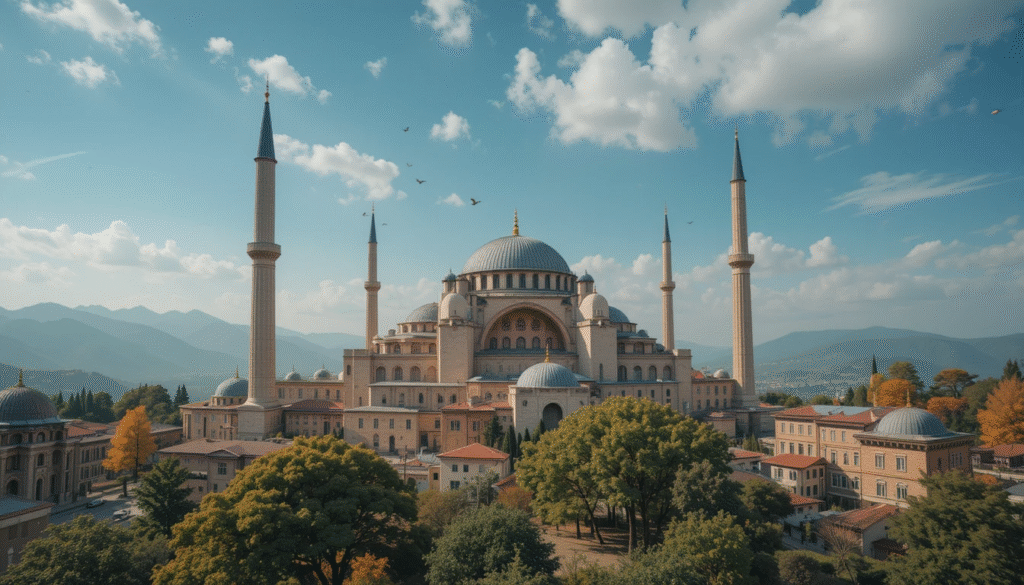
Journey into the soul of Turkey where ancient traditions meet modern adventures
Turkey’s heartland holds secrets that few travelers discover. Beyond the coastal resorts and bustling metropolises lies the true essence of Türkiye – a region where nomadic traditions persist, ancient trade routes converge, and landscapes tell stories spanning millennia. In 2025, Explorers Trails invites you to venture beyond the obvious and discover the authentic spirit that makes Turkey one of the world’s most compelling destinations.
Understanding Turkey’s Geographic Heart
The heart of Türkiye encompasses the vast Anatolian plateau, a high-altitude region that has served as humanity’s crossroads for over 10,000 years. This central region, stretching from the mystical landscapes of Cappadocia to the ancient cities of the Silk Road, represents everything that makes Turkey extraordinary. Here, European and Asian influences merge seamlessly, creating a unique cultural tapestry that exists nowhere else on Earth.
The region’s strategic location has made it a melting pot of civilizations. Hittites, Phrygians, Romans, Byzantines, Seljuks, and Ottomans have all left their mark on this landscape, creating layers of history that reveal themselves to those willing to look beyond the surface.
Central Anatolia: The Cultural Epicenter
Ankara: More Than a Capital City
While many travelers skip Ankara in favor of Istanbul, Turkey’s capital city offers profound insights into the nation’s modern identity. The Museum of Anatolian Civilizations houses one of the world’s finest collections of Hittite artifacts, while Anıtkabir, Atatürk’s mausoleum, provides context for understanding contemporary Turkey’s founding principles.
Explorers Trails arranges exclusive access to archaeological sites around Ankara, including the ancient Phrygian capital of Gordion, where Alexander the Great famously cut the Gordian Knot. These experiences provide historical context that enriches your understanding of Turkey’s complex past and its influence on the present.
Cappadocia: Beyond the Fairy Chimneys
Most visitors see Cappadocia’s famous rock formations and underground cities, but Explorers Trails reveals the region’s deeper significance. The Göreme Open Air Museum showcases some of Christianity’s finest Byzantine frescoes, painted when this region served as a refuge for early Christian communities.
The valley systems of Cappadocia tell geological stories spanning millions of years. Volcanic eruptions created the soft tuff rock that wind and water sculpted into the otherworldly formations we see today. Local guides trained in geology and archaeology help visitors understand not just what they’re seeing, but why these formations exist and how ancient peoples adapted to this unique environment.
The region’s winemaking tradition dates back thousands of years, with local varieties thriving in the volcanic soil. Wine tastings in cave cellars provide intimate settings to sample indigenous grapes while learning about traditional fermentation techniques that have survived since ancient times.
The Mystical Heartland: Konya and Surroundings
Konya: The City of Whirling Dervishes
Konya holds special significance as the spiritual heart of Turkey. This ancient city was the capital of the Seljuk Sultanate and the home of Rumi, the 13th-century poet and mystic whose works continue to inspire people worldwide. The Mevlana Museum, built around Rumi’s tomb, attracts pilgrims and cultural enthusiasts from across the globe.
Explorers Trails provides access to authentic Sema ceremonies, where whirling dervishes perform their mystical dance as a form of moving meditation. These experiences go beyond mere performance, offering genuine spiritual encounters with one of Sufism’s most profound traditions.
The city’s Seljuk architecture represents some of Turkey’s finest Islamic art. The Ince Minare Medrese showcases intricate stone carving and geometric patterns that influenced architectural styles throughout the Islamic world. Walking through Konya’s historical center reveals how medieval Islamic cities functioned and how religious and commercial life intertwined.
Ancient Çatalhöyük: Humanity’s First Urban Experiment
Just outside Konya lies Çatalhöyük, one of humanity’s earliest urban settlements dating to 7500 BCE. This UNESCO World Heritage site revolutionized our understanding of early human civilization. Houses built without streets, with entry through roof openings, represent a completely different approach to urban planning.
Ongoing archaeological excavations continue to reveal new insights about early agriculture, art, and social organization. Explorers Trails arranges meetings with archaeologists working on the site, providing firsthand accounts of discoveries that rewrite human history.
The Silk Road Legacy: Forgotten Cities and Ancient Routes
Following Marco Polo’s Footsteps
Central Anatolia’s position along the Silk Road created a network of caravanserais, fortified roadside inns that provided shelter and trade opportunities for merchants traveling between East and West. Many of these magnificent structures survive today, offering glimpses into medieval commercial life.
The Sultanhanı Caravanserai, one of the largest and best-preserved examples, demonstrates the sophistication of Seljuk architecture and hospitality systems. These weren’t simple inns but complex facilities that provided security, veterinary care for animals, banking services, and cultural exchange opportunities.
Explorers Trails organizes multi-day journeys that follow historical trade routes, staying in restored caravanserais that have been converted into atmospheric hotels. These experiences allow travelers to understand how goods, ideas, and cultures moved across continents long before modern transportation systems.
Kayseri: The Commercial Heart
Kayseri has served as a major commercial center for over a millennium. Its position at the intersection of major trade routes made it prosperous under both Seljuk and Ottoman rule. The city’s historic bazaar, covered market, and merchant houses showcase traditional Anatolian commercial architecture.
The nearby Kültepe archaeological site reveals even earlier commercial sophistication. Assyrian merchants established trading colonies here 4,000 years ago, creating one of history’s first international business districts. Clay tablets found at the site document complex commercial transactions and legal agreements that established precedents still used in modern business law.
Culinary Traditions of the Heartland
Authentic Anatolian Cuisine
Central Anatolia’s cuisine reflects its continental climate and agricultural traditions. Hearty stews, grain-based dishes, and preserved foods sustained communities through harsh winters. These traditional recipes, passed down through generations, offer flavors distinctly different from Turkey’s better-known coastal cuisines.
Mantı, often called Turkish ravioli, originated in this region. These tiny dumplings, served with yogurt and spiced butter, require exceptional skill to prepare properly. Explorers Trails arranges cooking workshops with local families where visitors learn traditional techniques while sharing stories and creating lasting friendships.
The region’s dairy traditions produce exceptional cheeses, yogurts, and butter. Local varieties like tulum cheese, aged in goatskin bags, offer unique flavors that reflect specific microclimates and traditional production methods.
Traditional Bread and Grains
Anatolia’s role as the birthplace of agriculture means grain-based foods hold special significance. Traditional bread ovens, built into village squares, continue to serve communities as they have for centuries. The communal bread-making process reveals social structures and cooperation methods that sustained rural communities.
Ancient grain varieties still grown in the region provide flavors and nutritional benefits that modern wheat varieties have lost. Participating in harvest activities during appropriate seasons offers hands-on understanding of agricultural traditions that shaped human civilization.
Natural Wonders of the Interior
Tuz Gölü: The Salt Lake
Turkey’s second-largest lake creates a surreal landscape that changes dramatically with seasons and weather conditions. During dry periods, the salt flats stretch to the horizon like a white desert, while spring rains create mirror-like reflections that seem to extend infinitely.
The lake’s extreme salinity supports unique ecosystems adapted to harsh conditions. Flamingo colonies that visit during migration periods create spectacular contrasts against the white salt backdrop. The area’s mineral wealth has been exploited since ancient times, with salt roads connecting this region to distant markets.
Ihlara Valley: A Hidden Canyon Paradise
This 14-kilometer canyon carved by the Melendiz River provides a stark contrast to Cappadocia’s open landscapes. Byzantine churches carved into cliff faces showcase frescoes in more intimate settings than the larger cave churches. The valley’s microclimate supports lush vegetation and diverse wildlife rarely seen in central Anatolia.
Hiking through Ihlara Valley reveals how medieval communities adapted to diverse environments. Cave dwellings, churches, and agricultural terraces demonstrate human ingenuity in utilizing every available resource. The valley’s isolation preserved traditions and architectural styles that disappeared elsewhere.
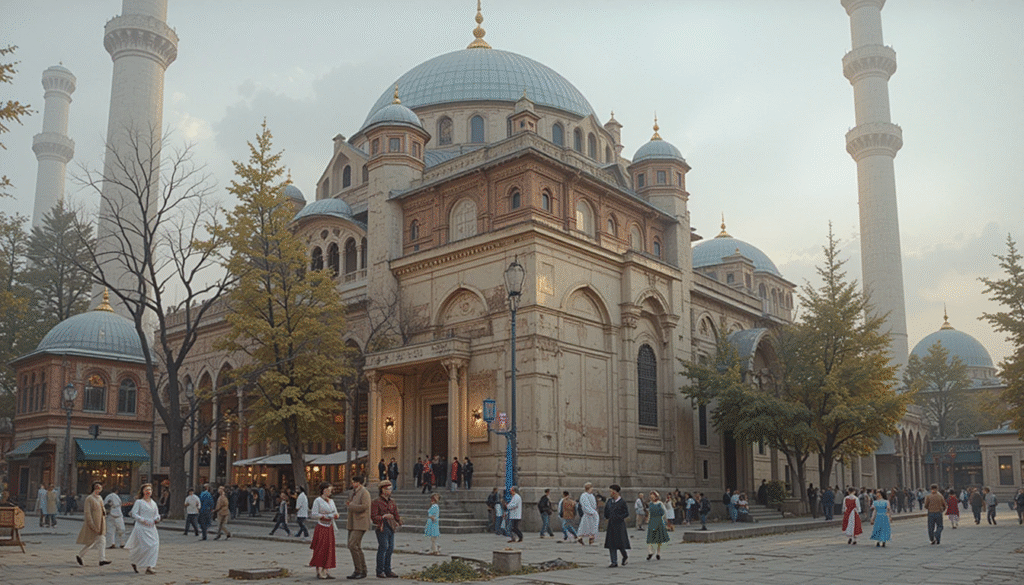
Cultural Immersion and Traditional Life
Village Homestays and Authentic Experiences
Explorers Trails partners with traditional villages where visitors can experience authentic rural Turkish life. These aren’t staged cultural performances but genuine opportunities to participate in daily activities, seasonal celebrations, and family traditions.
Carpet weaving workshops in village settings reveal the cultural significance of patterns and colors that tell stories about family histories, regional identities, and spiritual beliefs. Each carpet becomes a text that trained eyes can read like historical documents.
Traditional music sessions with local musicians introduce visitors to folk songs and instruments that preserve oral histories. These intimate performances often lead to spontaneous dancing and singing that breaks down cultural barriers through shared human expression.
Seasonal Festivals and Celebrations
The agricultural calendar dictates many rural celebrations that urban tourists rarely encounter. Harvest festivals, religious holidays, and seasonal transitions all provide opportunities for cultural exchange and authentic interaction with local communities.
Wedding celebrations in traditional villages showcase customs that blend pre-Islamic Anatolian traditions with Islamic practices and regional variations. When timing permits, Explorers Trails arranges respectful participation in these joyous community events.
Adventure Activities in the Heartland
Hiking and Trekking
Central Anatolia offers hiking opportunities ranging from gentle valley walks to challenging mountain treks. The region’s elevation provides cooler temperatures during summer months when coastal areas become uncomfortably hot.
The Cappadocia Ultra-Trail attracts serious hikers from around the world, but the same trail system provides options for all fitness levels. Multi-day treks through remote valleys reveal landscapes and wildlife that few visitors ever see.
Hot Springs and Thermal Tourism
The region’s geological activity creates numerous hot spring locations with therapeutic properties recognized since ancient times. Unlike the famous Pamukkale, these locations offer more intimate experiences with fewer crowds and more authentic traditional Turkish bath culture.
Local thermal facilities range from simple village baths to luxury spa resorts, providing options for every budget and preference. The therapeutic benefits of mineral-rich waters provide wellness opportunities that complement cultural and historical exploration.
Photography and Artistic Inspiration
Capturing the Essence
Central Anatolia’s dramatic landscapes and cultural richness provide endless photographic opportunities. Golden hour light on ancient stone architecture creates magical moments that professional photographers travel thousands of miles to capture.
Explorers Trails arranges photography workshops with local professional photographers who know the best locations and optimal timing for capturing iconic images. These sessions go beyond technical instruction to explore the cultural context and storytelling potential of visual documentation.
Traditional Arts and Crafts
Pottery traditions in Avanos and other ceramics centers continue techniques developed over centuries. Workshops with master potters provide hands-on experience with traditional methods while creating personal souvenirs that carry authentic cultural significance.
Calligraphy workshops introduce visitors to Islamic artistic traditions that transformed written language into decorative art. These sessions often include basic instruction in Ottoman Turkish script, providing insights into historical documents and architectural inscriptions.
Planning Your Heart of Turkey Adventure
Optimal Timing and Seasonal Considerations
Central Anatolia’s continental climate creates distinct seasons that offer different advantages for visitors. Spring brings wildflower blooms that transform barren landscapes into colorful carpets. Summer provides long daylight hours perfect for extensive exploration, while autumn offers comfortable temperatures and harvest season activities.
Winter in the heartland provides unique opportunities to experience traditional life during the season that most shaped local customs and survival strategies. Snow-covered Cappadocia offers dramatically different perspectives on familiar landscapes.
Transportation and Logistics
The region’s improved infrastructure makes previously difficult-to-reach locations more accessible while maintaining their authentic character. Explorers Trails utilizes comfortable transportation that allows for scenic route flexibility while ensuring timely arrivals at planned destinations.
Domestic flight connections through Ankara and Kayseri provide efficient access to the region, while overland routes from Istanbul or coastal cities offer opportunities to observe geographical and cultural transitions firsthand.
Accommodation Options
Accommodation ranges from luxury cave hotels in Cappadocia to traditional village guesthouses that provide authentic cultural immersion. Explorers Trails selects properties that enhance rather than detract from the travel experience, ensuring comfort while maintaining cultural authenticity.
Historic caravanserais converted to boutique hotels offer unique opportunities to sleep in buildings that once sheltered Silk Road merchants. These properties provide modern comfort within authentic historical settings.
Sustainable Tourism and Cultural Preservation
Supporting Local Communities
Explorers Trails prioritizes partnerships with local guides, artisans, and service providers to ensure that tourism benefits the communities visitors encounter. This approach creates more authentic experiences while supporting traditional livelihoods and cultural preservation.
Traditional craft workshops provide income for artisans while ensuring that ancient techniques survive in modern contexts. Visitors gain appreciation for the skill and cultural knowledge required to maintain these traditions while artisans receive recognition and compensation for their expertise.
Environmental Responsibility
The fragile ecosystems of central Anatolia require careful protection to preserve their beauty and cultural significance for future generations. Small group travel minimizes environmental impact while providing more personalized and meaningful experiences.
Conservation efforts supported by responsible tourism help protect archaeological sites, natural areas, and traditional communities from the pressures of mass tourism development.
The Transformative Power of Heartland Turkey
Exploring Turkey’s heartland with Explorers Trails offers more than sightseeing; it provides transformation through authentic cultural exchange and profound historical connection. The region’s ability to surprise and educate creates lasting impact that influences how travelers view their own cultures and histories.
The hospitality encountered in Turkey’s interior regions creates genuine human connections that transcend language barriers and cultural differences. These personal interactions often prove more memorable than famous monuments or dramatic landscapes.
Your Journey into Turkey’s Soul
The heart of Türkiye awaits discovery by those willing to venture beyond conventional tourist routes. With Explorers Trails as your guide, you’ll uncover layers of history, culture, and natural beauty that reveal why this region has captivated travelers for thousands of years.
Every ancient city tells stories of human achievement and adaptation. Every traditional village preserves wisdom developed over generations. Every landscape holds secrets that trained guides can reveal to curious visitors willing to look beyond surface appearances.
Your exploration of Turkey’s heartland promises to be more than a vacation; it will be a journey of discovery that broadens perspectives, creates lasting memories, and provides deep appreciation for one of the world’s most culturally rich and historically significant regions.
The true heart of Türkiye beats strongest in its interior, where authentic traditions survive and ancient wisdom continues to guide daily life. Come discover this remarkable region where every stone has a story and every encounter offers new understanding of what makes Turkey truly special.
Ready to explore the authentic heart of Türkiye? Contact Explorers Trails today to begin planning your journey into the cultural and historical soul of one of the world’s most fascinating destinations.